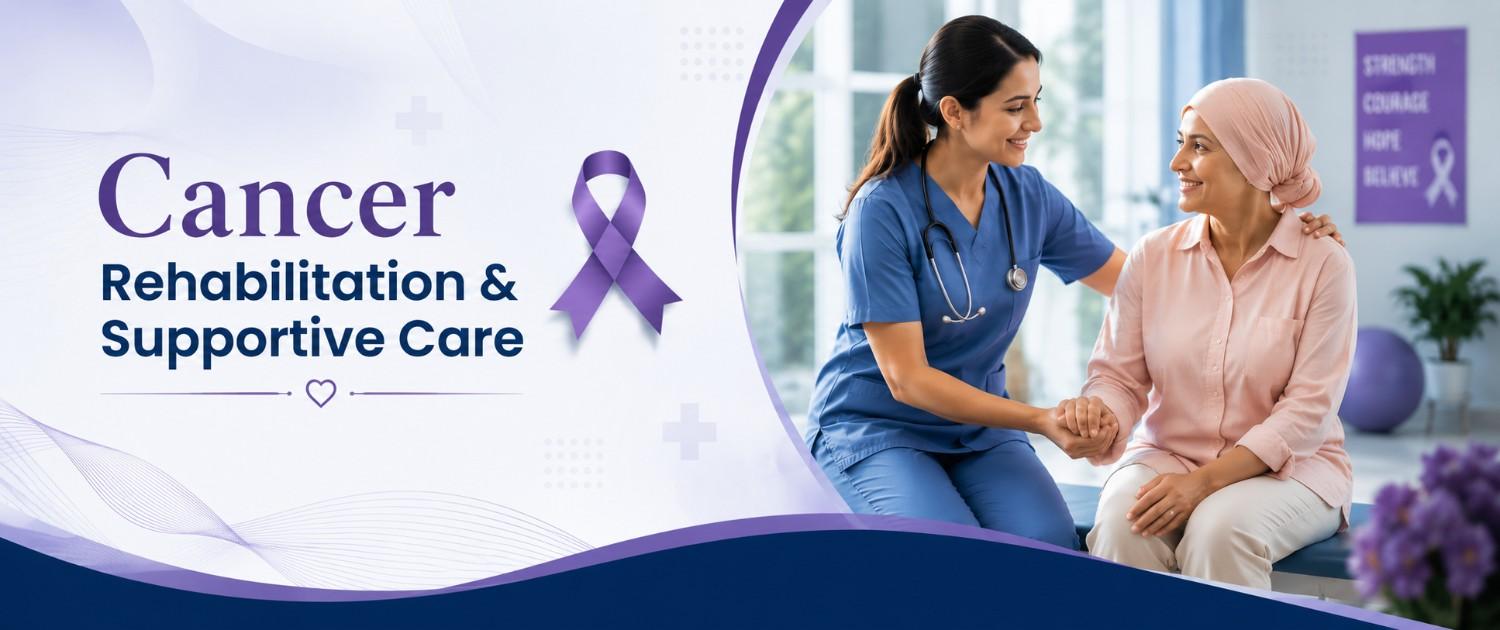
Cancer Rehabilitation & Supportive Care

Cancer Rehabilitation at Vedant Pain Clinic Faridabad

Comprehensive Cancer Rehabilitation, Pain Management & Recovery Support

Cancer treatment can be physically and emotionally challenging. While treatments such as chemotherapy, radiation therapy, hormone therapy, immunotherapy, and surgery are essential for fighting cancer, they can also cause side effects that affect daily life and overall well-being.

At Vedant Pain Management Clinic, we provide comprehensive cancer rehabilitation and supportive care services to help patients manage pain, improve mobility, reduce treatment-related side effects, and regain independence during and after cancer treatment.

Our goal is to improve quality of life by addressing pain, fatigue, weakness, nerve-related symptoms, and functional limitations that may develop during cancer treatment.

What is Cancer Rehabilitation?

Cancer rehabilitation is a specialized program designed to help patients recover physically and emotionally before, during, and after cancer treatment.

It focuses on:

  • Detailed Medical Reports
  • Treatment Summaries
  • Procedure Documentation
  • Hospital Bills & Receipts
  • Discharge Documents
  • Insurance Reimbursement Guidance
  • Support in Completing Claim Documentation
  • Insurance Claim Assistance
  • Pre-authorization Support from Hospitals
Common Side Effects of Cancer Treatment

Select a treatment type to explore common side effects and how we can help.

Chemotherapy Side Effects

Chemotherapy can affect both cancer cells and healthy cells, leading to a range of symptoms that impact daily life.

Fatigue and weakness Nausea and vomiting Loss of appetite Weight loss Numbness or tingling in hands and feet (Chemotherapy-Induced Peripheral Neuropathy) Muscle aches and joint pain Sleep disturbances Increased risk of infections
Hormone Therapy Side Effects

Hormone therapy is commonly used for breast cancer and prostate cancer treatment. Possible side effects include:

Joint and muscle pain Hot flashes Fatigue Weight changes Mood changes Bone weakness Reduced physical stamina
Immunotherapy Side Effects

Immunotherapy helps the immune system fight cancer but may sometimes cause:

Fatigue Skin rashes Joint pain Muscle weakness Digestive issues Inflammation-related symptoms Nerve-related complications

Cancer Pain Management

Cancer pain may result from:

  • Tumor pressure on nerves or tissues
  • Bone involvement
  • Surgical procedures
  • Chemotherapy-induced nerve damage
  • Radiation-related complications

Our pain management team offers individualized treatment plans that may include:

  • Medication optimization
  • Nerve pain management
  • Image-guided pain procedures
  • Nerve blocks
  • Radiofrequency procedures
  • Supportive rehabilitation programs

The goal is to improve comfort while minimizing the impact of pain on daily activities.

Rehabilitation Services for Cancer Patients

Tailored programs designed to help you regain strength, function, and confidence.

Physical Rehabilitation

Designed to rebuild what cancer treatment may have diminished — helping patients move freely and confidently again.

Strength Balance Mobility Endurance Walking ability
Pain Rehabilitation

Focused pain relief strategies addressing the diverse pain types that arise during and after cancer treatment.

Chronic cancer pain Post-surgical pain Nerve-related pain Musculoskeletal pain
Functional Rehabilitation

Helps patients return to meaningful daily activities and routines that matter most to them.

Walking Climbing stairs Self-care tasks Work-related activities
Fatigue Management

Cancer-related fatigue is one of the most common complaints among patients. Our strategies include:

Energy conservation techniques Gradual exercise programs Sleep optimization Nutritional guidance
Nerve Pain Management

Targeted care for chemotherapy-induced peripheral neuropathy — addressing numbness, tingling, and burning sensations.

Neuropathy relief Sensory retraining Medication support
Supportive & Palliative Care

Holistic care focused on comfort, emotional well-being, and maintaining dignity throughout the cancer journey.

Comfort care Symptom management Emotional support

Nutrition & Diet During Cancer Treatment

Proper nutrition plays a crucial role in recovery and maintaining strength.

Protein-Rich Foods
  • Eggs
  • Paneer
  • Curd
  • Milk
  • Fish
  • Chicken
  • Lentils and pulses
  • Soy products
Fruits & Vegetables
  • Seasonal fruits
  • Citrus fruits
  • Berries
  • Papaya
  • Pomegranate
  • Green leafy vegetables
Healthy Carbohydrates
  • Whole grains
  • Oats
  • Brown rice
  • Whole wheat products
Healthy Fats
  • Nuts
  • Seeds
  • Almonds
  • Walnuts
  • Flaxseeds
Hydration
  • Water
  • Coconut water
  • Soups
  • Fresh fluids as advised by doctor
Foods to Limit

Depending on individual medical advice:

  • Highly processed foods
  • Excess sugar
  • Deep-fried foods
  • Excessive alcohol
  • Unhygienic or undercooked foods

When Should You Seek Rehabilitation Support?

You may benefit from cancer rehabilitation if you experience any of the following:

Difficulty Walking or Moving

Trouble with mobility or performing everyday movement after treatment.

Persistent Pain

Ongoing pain that affects daily activities or sleep quality.

Severe Fatigue & Weakness

Extreme tiredness and muscle weakness limiting normal function.

Numbness or Tingling

Nerve-related symptoms in hands or feet affecting grip, balance, or sensation.

Why Choose Vedant Pain Clinic

Why Choose Vedant Pain Management Clinic?

Our team works alongside your oncology treatment plan to help you stay active, comfortable, and independent throughout your cancer journey.

Personalized rehabilitation plans

Cancer pain management expertise

Non-surgical pain relief options

Focus on improving quality of life

Comprehensive supportive care approach

Patient-centered recovery programs

Cancer Pain Relief

Individualized pain management plans to reduce discomfort and improve daily comfort during cancer treatment.

Mobility & Recovery

Structured rehabilitation to restore strength, balance, and independence during and after cancer treatment.

Quality of Life

Comprehensive supportive care addressing fatigue, nerve symptoms, and functional limitations to help you live better.

Important Note

Cancer rehabilitation and supportive care do not replace oncology treatment. Patients should continue regular follow-up with their oncologist and treating cancer specialist.

FAQ

Common Questions Answered

Have questions about cancer rehabilitation or supportive care at Vedant Pain Clinic? Find answers to the most frequently asked questions below.

Book a Consultation
What is cancer rehabilitation?

Cancer rehabilitation is a specialized program that helps patients improve strength, mobility, pain control, and quality of life during and after cancer treatment.

Can chemotherapy cause nerve pain?

Yes. Chemotherapy can sometimes damage peripheral nerves, causing numbness, tingling, burning sensations, or pain in the hands and feet.

How can cancer-related pain be managed?

Cancer pain may be managed through medications, rehabilitation, physical therapy, nerve blocks, and interventional pain management procedures depending on the cause and severity.

What are the common side effects of hormone therapy?

Hormone therapy may cause fatigue, joint pain, hot flashes, weight changes, and reduced stamina in some patients.

Can rehabilitation help cancer patients recover faster?

Rehabilitation can help improve mobility, reduce weakness, manage fatigue, and support a better quality of life during recovery.

What should cancer patients eat during treatment?

A balanced diet rich in protein, fruits, vegetables, whole grains, and adequate fluids can help support recovery and overall health during treatment.

When should a cancer patient start rehabilitation?

Rehabilitation may be beneficial before treatment, during treatment, or after treatment depending on the patient's needs and physical condition.

Can immunotherapy cause side effects?

Yes. Immunotherapy may cause fatigue, joint pain, skin changes, digestive issues, and inflammation-related symptoms in some patients.

Is cancer rehabilitation only for advanced cancer patients?

No. Rehabilitation can benefit patients at any stage of cancer treatment and recovery.

Does cancer rehabilitation help with fatigue and weakness?

Yes. Structured rehabilitation programs can help improve energy levels, strength, endurance, and daily functioning.

Get Expert Medical Care at
Your Fingertips!

Access top doctors and healthcare services anytime, anywhere. Book appointments,
consult online, and prioritize your well-being today!