Facet Medical Branch Block & RFA

Expert Care

Experienced specialists dedicated to your pain management

Safe Procedure

Minimally invasive treatment with proven safety record

Long-lasting Relief

Effective pain management for improved quality of life

Facet Joints

What are Facet Joints?

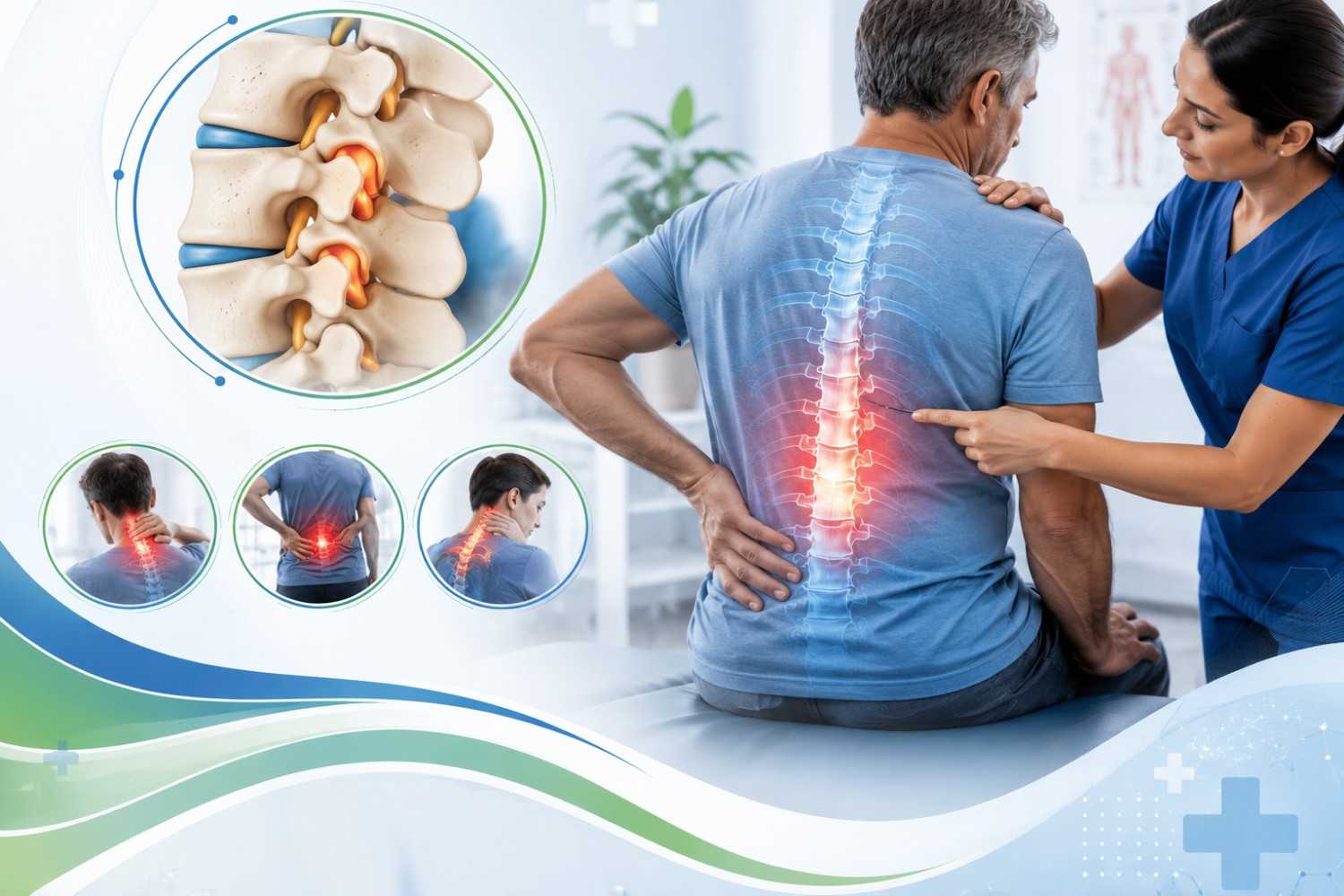
Facet joints are small joints located between the vertebrae in the spine. They provide stability and allow for flexibility and movement. They can become a source of pain due to arthritis, injury, or degeneration, causing chronic neck or back pain.

Medial Branch Block

What is a Facet / Medial Branch Block?

A Facet or Medial Branch Block involves injecting a local anesthetic around the medial branch nerves that supply sensation to the facet joints. This helps confirm the source of pain and provides temporary relief.

Indications:
  • Chronic neck pain
  • Lower back pain
  • Pain radiating into arms or legs due to facet joint issues
Radiofrequency Ablation (RFA) Procedure

RFA uses heat generated by radio waves to damage specific nerve fibers, effectively interrupting pain pathways.

1

Evaluation

Patients are assessed to determine candidacy and the source of pain.

2

Preparation

The injection site is cleaned and local anesthesia is administered.

3

Imaging Guidance

Fluoroscopy or ultrasound is used to accurately guide the needle.

4

Ablation

Radiofrequency energy is applied to create a lesion disrupting pain signaling.

5

Recovery

Patients are monitored briefly and discharged with care instructions.

Benefits of Facet Block and RFA

Experience significant improvements in your quality of life

Pain Relief

Significant reduction in chronic pain symptoms.

Minimally Invasive

Performed on an outpatient basis with quick recovery.

Long-lasting Effects

RFA provides lasting pain reduction for months or years.

Improved Mobility

Reduced pain allows patients to return to daily activities.

Candidate

What to Expect After the Procedure

  • Activity Guidance: Patients may be advised to avoid strenuous activities for a brief period.
  • Follow-Up Care: Regular follow-ups are essential to monitor progress and determine the effectiveness of the treatment.
  • Pain Management Plan: Based on individual responses, further treatment options may be discussed.