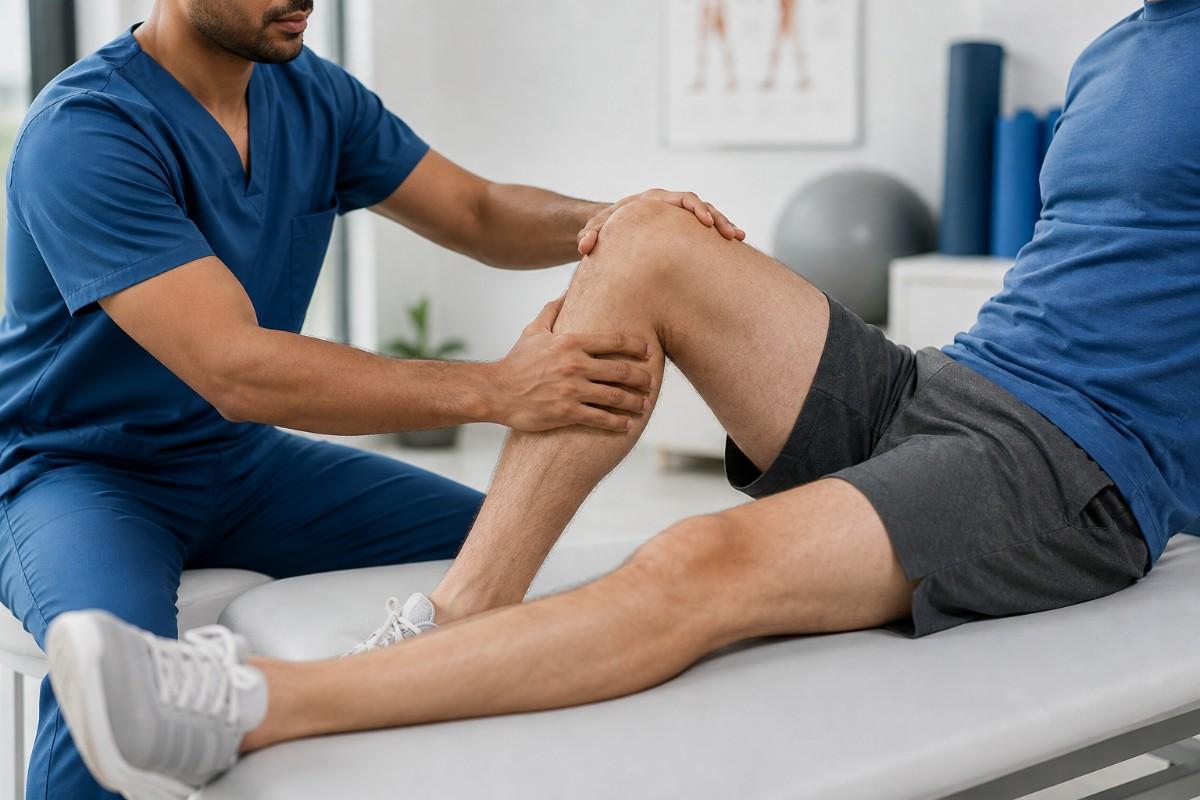
That sudden pull in your knee can catch you off guard. One wrong step, a quick twist, or even overuse can lead to discomfort that makes walking, bending, or climbing stairs difficult. If you are looking for the right treatment for knee strain, the good news is that most cases heal well with the right approach.
In my experience, people either ignore knee pain or over-restrict movement. Both can slow down recovery. The key is balance.
What is a Knee Strain?
A knee strain occurs when muscles or ligaments around the knee are stretched or slightly torn.
Common causes include:
- Sudden twisting movements
- Overuse during exercise or sports
- Weak supporting muscles
- Improper warm-up before activity
I have noticed that even daily activities like climbing stairs or lifting can trigger strain if your muscles are not well conditioned.
Symptoms of Knee Strain
You may notice:
- Pain around the knee
- Swelling or tenderness
- Difficulty bending or straightening
- Weakness in the joint
- Mild instability
Recognizing these early helps in faster recovery.
Treatment for Knee Strain That Actually Works
1. Rest and Protection
Avoid activities that worsen pain.
Do not completely immobilize the knee. Gentle movement is important to prevent stiffness.
2. Ice Therapy
Apply ice packs for 15 to 20 minutes every few hours during the first 48 hours.
This helps:
- Reduce swelling
- Control pain
- Prevent further inflammation
3. Compression and Elevation
- Use a knee support or bandage
- Keep your leg elevated when resting
These steps help reduce swelling and improve circulation.
4. Pain Relief Medications
Over-the-counter medicines can help manage discomfort.
Use them carefully and only when necessary.
5. Gentle Exercises
Once pain reduces, movement becomes essential.
Start with:
- Straight leg raises
- Heel slides
- Quadriceps strengthening
- Hamstring stretches
These improve flexibility and support healing.
6. Physiotherapy
For moderate or persistent cases, professional guidance is important.
At Vedant Pain Management Clinic, physiotherapy programs are designed to:
- Strengthen surrounding muscles
- Improve joint stability
- Restore normal movement
7. Advanced Non-Surgical Treatments
If pain continues, targeted therapies may be required.
These include:
- Manual therapy
- Strengthening programs
- Pain management techniques
At Vedant Pain Management Clinic, treatment focuses on long-term recovery without surgery whenever possible.
Recovery Timeline
Recovery depends on severity:
- Mild strain: 1 to 2 weeks
- Moderate strain: 3 to 6 weeks
- Severe strain: longer with guided care
A study in the American Journal of Sports Medicine suggests that early rehabilitation improves recovery outcomes and reduces the risk of re-injury.
Real-Life Insight
I once worked with someone who had a knee strain from regular workouts. They stopped all movement out of fear, which led to stiffness and slower healing.
Once they started controlled exercises and proper therapy, recovery improved significantly.
This is something I have seen often. The right treatment for knee strain includes both rest and movement.
What to Avoid During Recovery
- High-impact activities
- Sudden twisting movements
- Ignoring swelling or pain
- Skipping rehabilitation exercises
Avoiding these mistakes speeds up healing.
When Should You See a Specialist?
Seek professional help if:
- Pain persists beyond two weeks
- Swelling is severe
- You cannot bear weight on the knee
- The knee feels unstable
At Vedant Pain Management Clinic, early evaluation ensures better recovery and prevents long-term issues.
Daily Habits to Prevent Knee Strain
Prevention is always better than treatment.
Follow these habits:
- Warm up before exercise
- Strengthen leg muscles
- Maintain proper posture while walking
- Wear supportive footwear
- Avoid sudden increases in activity
In my experience, consistent strengthening reduces the risk of future injuries.
Final Thoughts
A knee strain can slow you down, but it does not have to stop you.
In my experience, the best results come from combining rest, controlled movement, and expert care.
If your knee pain is not improving or affecting your daily life, getting the right guidance from Vedant Pain Management Clinic can help you recover safely and return to normal activities with confidence.