
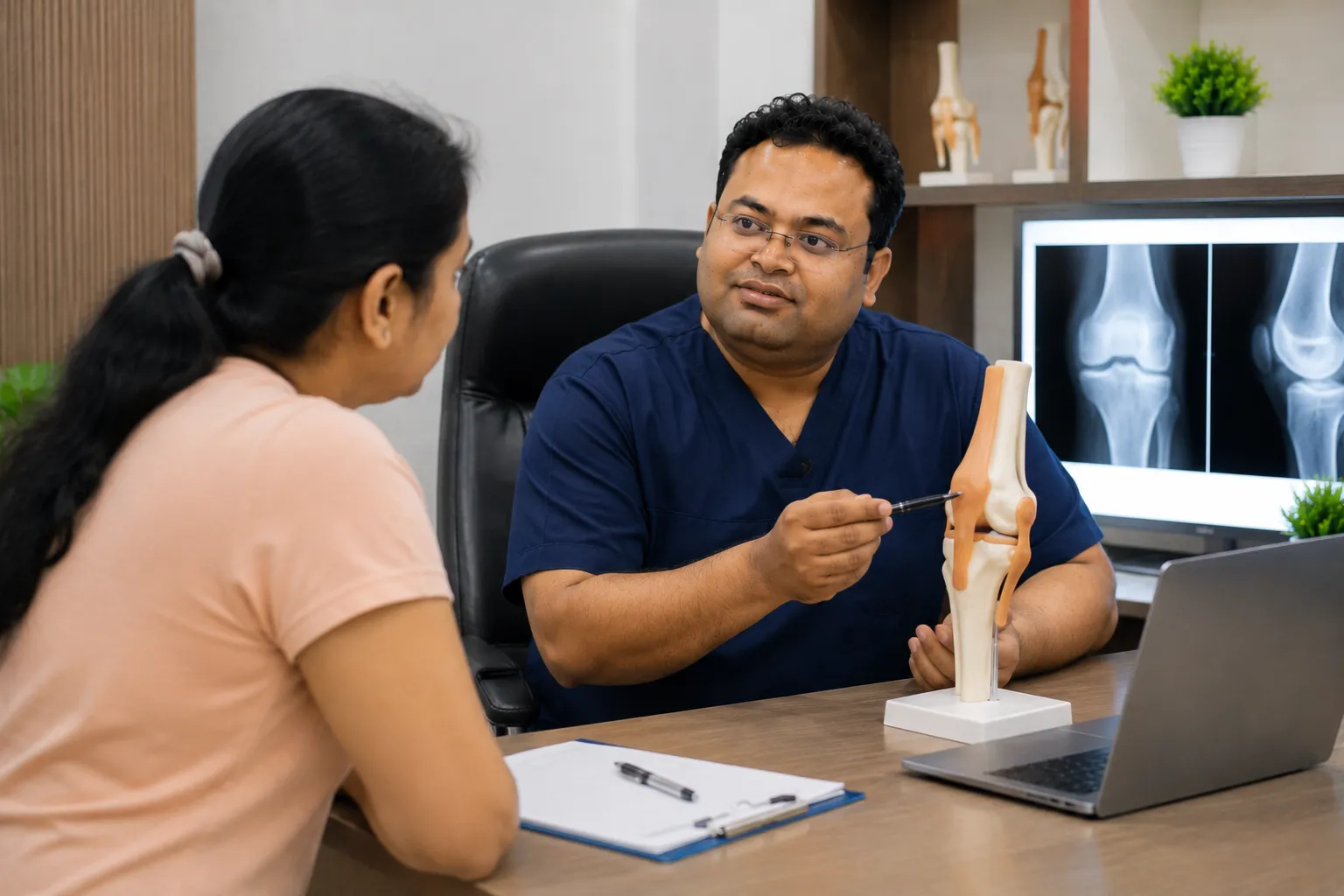
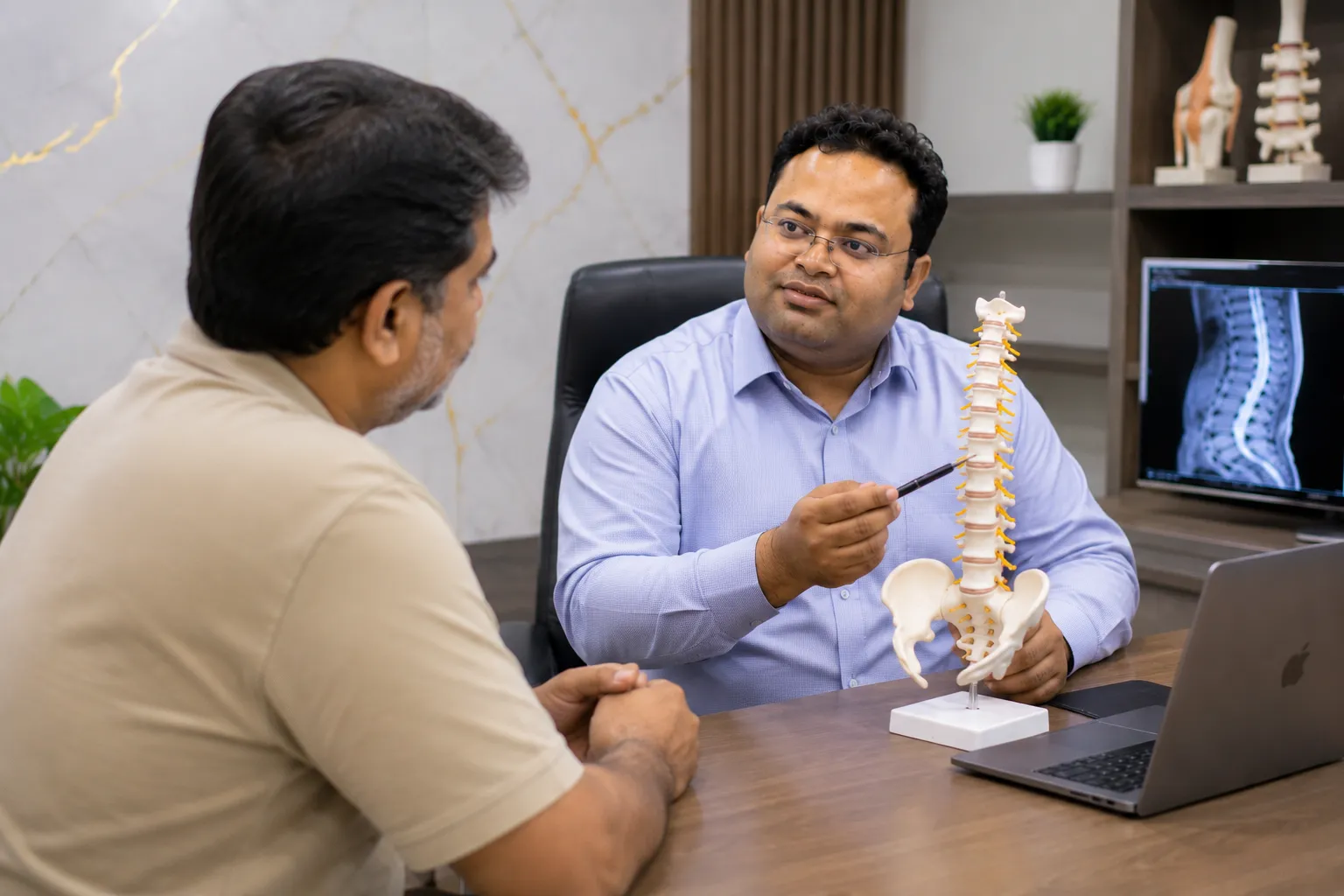

Which Doctor to Consult for Back Pain
Back pain is one of the most common reasons people visit a doctor, yet it remains one of the most confusing conditions when it comes to picking the right specialist. The truth is, not all back pain doctors treat back pain the same way, and choosing the wrong one often means months of trial and error before real relief begins.
This guide breaks down exactly which doctors treat back pain, what each one actually does, and how to know which specialist is right for your specific situation, whether you live in Faridabad, Delhi NCR, or anywhere else searching for answers.
Why This Question Is Harder Than It Sounds
Back pain is not one condition. It is a symptom that can come from muscles, joints, discs, nerves, or even organs in some cases. Because of this, several types of doctors are qualified to treat it, but each one approaches the problem from a different angle.
A general physician might prescribe rest and painkillers. An orthopedic surgeon might focus on bones and joints. A physiotherapist works on movement and strength. A pain management specialist looks specifically at the source of pain signals and how to interrupt them without surgery.
Understanding these differences before you book an appointment can save you weeks of frustration.
The Doctors Who Treat Back Pain (And What They Actually Do)
1. General Physician
This is usually the first stop for most patients. A general physician can rule out simple causes, prescribe basic medication, and refer you onward if the pain persists.
Best for: Mild, recent back pain with no red flag symptoms like numbness, weakness, or radiating leg pain.
Limitation: General physicians are not trained in advanced spine diagnostics or interventional procedures, so chronic or recurring pain often needs a more specialized opinion.
2. Orthopedic Doctor
Orthopedic specialists focus on bones, joints, and the musculoskeletal system. They are well suited for fractures, structural deformities, or cases where surgery may eventually be needed.
Best for: Back pain linked to bone degeneration, fractures, or scoliosis.
Limitation: Orthopedics often lean toward surgical solutions or refer out for non-surgical pain control, since their specialty centers on structural correction rather than pain pathway management.
3. Neurologist
A neurologist steps in when back pain is accompanied by nerve-related symptoms such as tingling, numbness, or muscle weakness, especially when a slipped disc or nerve compression is suspected.
Best for: Suspected nerve involvement, sciatica with neurological symptoms.
Limitation: Neurologists diagnose nerve issues well but typically do not perform interventional pain procedures themselves.
4. Physiotherapist
Physiotherapy is essential for strengthening muscles, correcting posture, and supporting recovery after diagnosis. It works best as part of a treatment plan rather than a standalone fix for moderate to severe pain.
Best for: Mild pain, post-procedure recovery, and long-term prevention.
Limitation: Physiotherapy alone may not resolve pain caused by nerve compression, disc damage, or inflammation at the source.
5. Pain Management Specialist (Interventional Pain Physician)
This is the specialist most people don't know exists until they need one. A pain management specialist, sometimes called an algiatrist, is trained specifically to diagnose the exact source of pain and treat it using targeted, minimally invasive techniques such as nerve blocks, epidural injections, and radiofrequency ablation.
Best for: Chronic back pain, recurring pain after other treatments failed, slipped disc, sciatica, spinal stenosis, and patients who want to avoid surgery.
Why this matters: Unlike general physicians or orthopedics, pain specialists are trained to locate the precise nerve or structure causing pain and treat it directly, often with same-day procedures and minimal downtime.
Comparison Table: Who Treats What
| Doctor Type | Primary Focus | Best Suited For | Surgical Approach |
|---|---|---|---|
| General Physician | Initial assessment | Mild, short-term pain | Not applicable |
| Orthopedic Doctor | Bone and joint structure | Fractures, structural issues | Often surgery-focused |
| Neurologist | Nerve function diagnosis | Sciatica, nerve symptoms | Refers out for treatment |
| Physiotherapist | Movement and strength | Recovery, prevention | Non-surgical only |
| Pain Management Specialist | Pain source and pathways | Chronic pain, slipped disc, sciatica | Minimally invasive, non-surgical first |
How to Know You Need a Pain Management Specialist
Certain signs suggest that general care or rest alone will not be enough, and a specialist consultation is overdue.
- Back pain lasting longer than four to six weeks
- Pain that returns repeatedly despite medication
- Numbness, tingling, or weakness in the legs
- Pain that worsens with sitting, standing, or specific movements
- Reduced response to physiotherapy or basic painkillers
- Pain affecting sleep, work, or daily mobility
If any of these apply, the next step should be an interventional pain specialist rather than repeating the same basic treatment cycle.
Surgery vs Non-Surgical Pain Management
One of the biggest fears patients have is being told they need spine surgery. In most cases, this is not the first or only option.
Surgery is generally reserved for cases involving severe structural damage, significant nerve compression unresponsive to other treatments, or spinal instability.
Non-surgical interventional pain management focuses on targeting the exact pain-generating structure using image-guided techniques. This includes treatments such as epidural injections, facet joint procedures, and radiofrequency ablation, which aim to reduce pain and inflammation without cutting into the body.
For most chronic back pain cases, especially those caused by disc issues, facet joint wear, or nerve irritation, non-surgical approaches are tried first, and many patients find lasting relief without ever needing an operation.
What Happens During a Pain Specialist Consultation
A proper consultation with a pain management specialist usually looks very different from a quick five-minute physician visit.
- Detailed history review: Understanding when the pain started, what worsens or relieves it, and any past treatments tried.
- Physical and neurological examination: Checking reflexes, strength, and movement patterns to localize the source.
- Imaging review: MRI, X-ray, or CT scans are reviewed to confirm the structural cause.
- Diagnosis confirmation: Sometimes a diagnostic nerve block is used to pinpoint the exact source of pain.
- Personalized treatment plan: A combination of interventional procedures, medication, and rehabilitation tailored to the individual.
This structured approach is why many patients who switch to a pain specialist after months of general treatment finally see real improvement.
Why Early Consultation With the Right Specialist Matters
Delaying the right diagnosis often allows back pain to become chronic, which can be harder to treat later. Early intervention with a pain management specialist can:
- Prevent acute pain from becoming a long-term condition
- Reduce dependency on long-term medication
- Avoid unnecessary surgery in many cases
- Restore mobility and daily function faster
- Improve overall quality of life with targeted treatment
The earlier the right specialist is involved, the simpler and more effective the treatment journey tends to be.
Why Choose Vedant Pain Management Clinic
Vedant Pain Management Clinic in Faridabad specializes specifically in advanced, non-surgical pain treatment for chronic and acute back pain conditions. Patients across Faridabad and Delhi NCR choose Vedant for several reasons.
Experienced pain specialist care
The clinic is led by physicians trained specifically in interventional pain medicine, not general orthopedics or physiotherapy alone, ensuring a precise approach to diagnosis and treatment.
Minimally invasive treatment options
From epidural injections to radiofrequency ablation, treatments are designed to relieve pain at the source while avoiding the risks and recovery time associated with surgery.
Personalized treatment plans
No two back pain cases are identical. Each treatment plan at Vedant is built around the patient's specific diagnosis, lifestyle, and pain history.
Advanced, image-guided procedures
Precision matters in pain management. Procedures are performed with imaging guidance to ensure accuracy and safety.
Surgery avoided whenever possible
The clinic's philosophy centers on resolving pain through targeted intervention first, reserving surgical referral only for cases where it is truly necessary.
For patients in Faridabad searching for a trusted pain specialist near them, Vedant Pain Management Clinic offers a structured, evidence-based path to relief rather than a one-size-fits-all approach.
Conclusion: Choosing the Right Doctor Changes Everything
Back pain does not need to be managed through guesswork. Knowing which doctor to consult, and when, can be the difference between months of frustration and a clear path to recovery.
While general physicians, orthopedics, and physiotherapists all play valuable roles, a pain management specialist is often the missing link for patients dealing with chronic, recurring, or unexplained back pain. Their training in identifying and treating the exact source of pain through minimally invasive techniques makes them uniquely equipped to help when other treatments have not worked.
If back pain has been part of your routine for weeks or months, it may be time to consult a specialist who treats the cause, not just the symptom. Book a consultation with Vedant Pain Management Clinic in Faridabad and take the first step toward lasting relief.